Moving On
Dear Learning Gardeners,
Today is my last day as a tenured faculty member at UBC Okanagan in
Kelowna British Columbia. I resigned from UBCO to move back to my hometown of Vancouver, and to focus on the environmental work that I have been dedicated to for some time now.

Stay tuned for further adventures, and learning.
As we learned in the garden, life keeps moving forward, as I’m sure many of you are now learning in your work as educators all over the world. . . .
In 2005, we started the Learning Garden after the release of a serious IPCC report on climate change. The garden officially opened in 2006, thanks to the hard work of a very dedicated crew. Al Gore's movie, An Inconvenient Truth,
was inspiring a sea change in how the mainstream thought about climate change. Pope
Francis wrote a ground-breaking encyclical, Laudato Si, focussed on the impacts of climate
change on the global poor. At the Paris
climate conference (COP21) in December 2015, 195 countries adopted the
first-ever universal, legally binding global climate deal.
A lot has happened since we planted those first carrots. But, even as
the current US President pulls the United States out of the deal...the ParisAgreement continues.
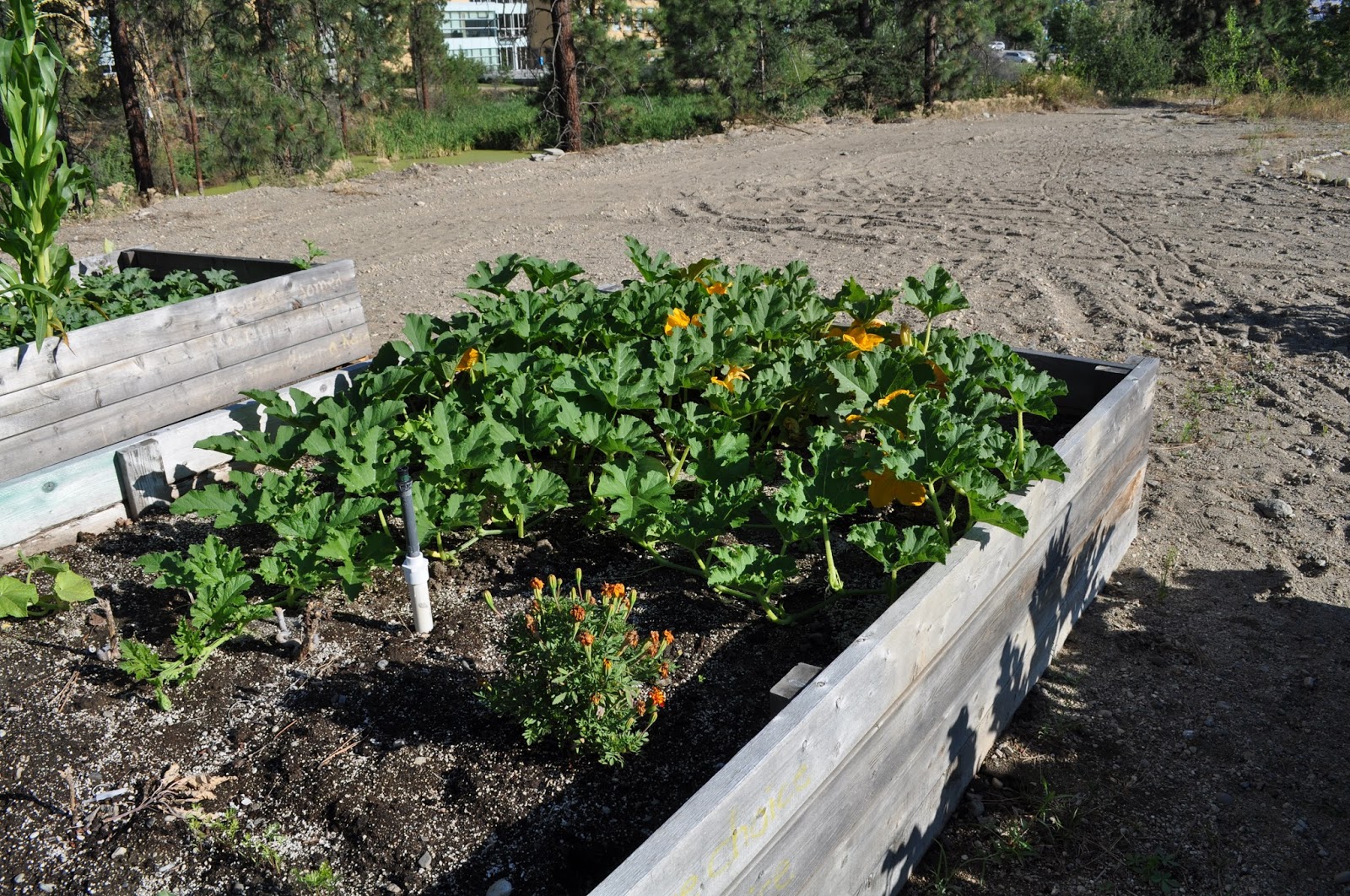
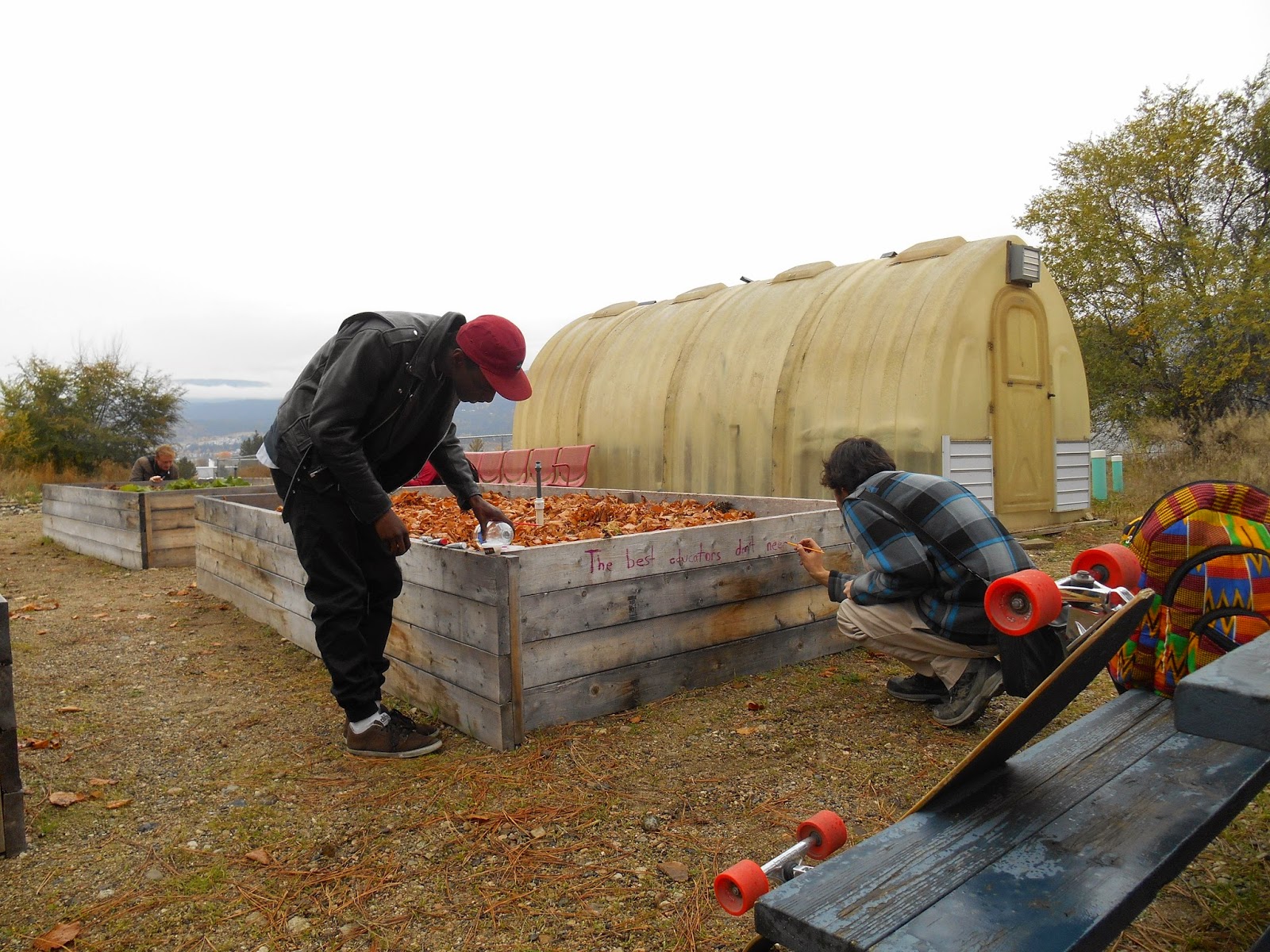
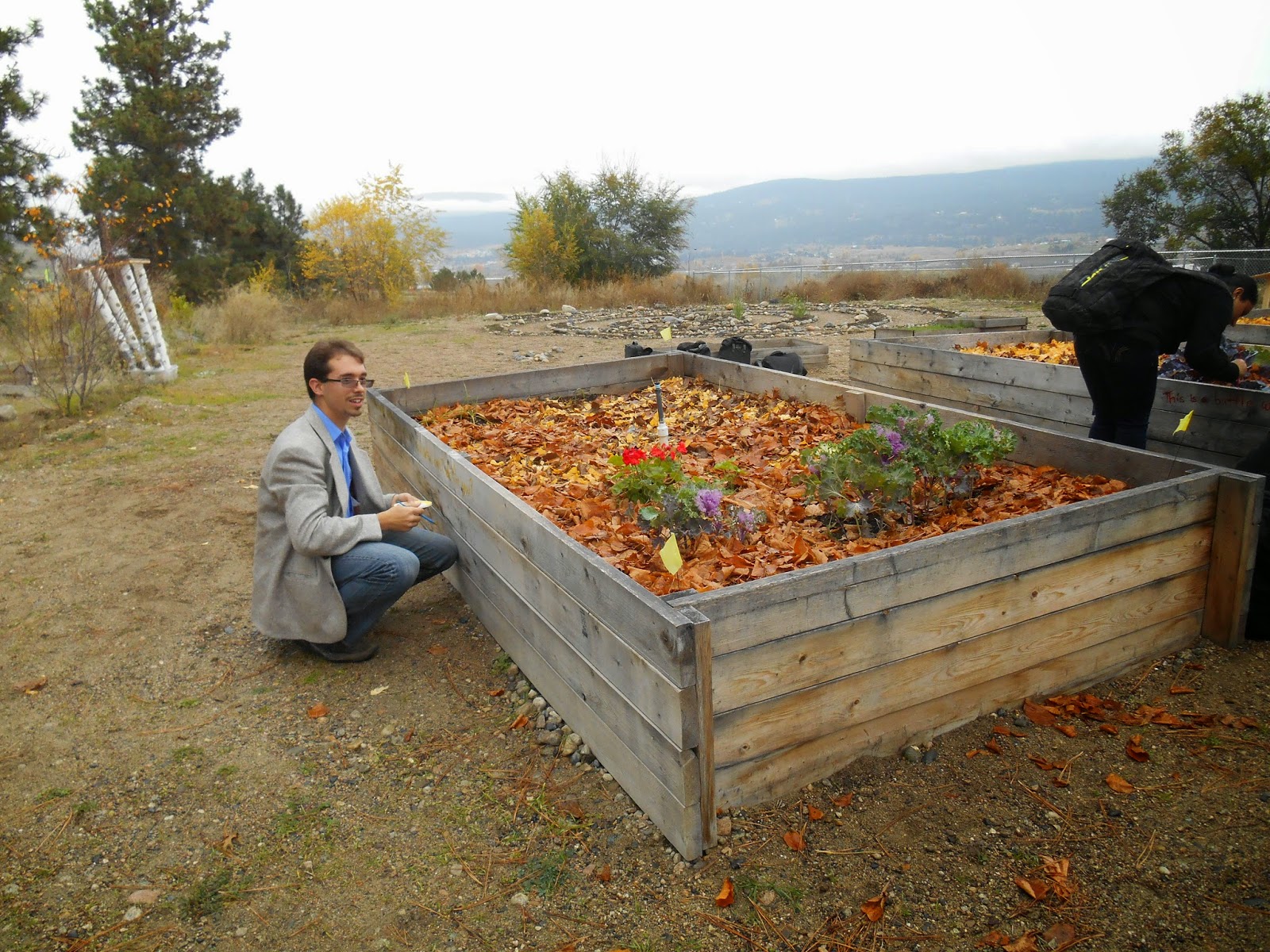
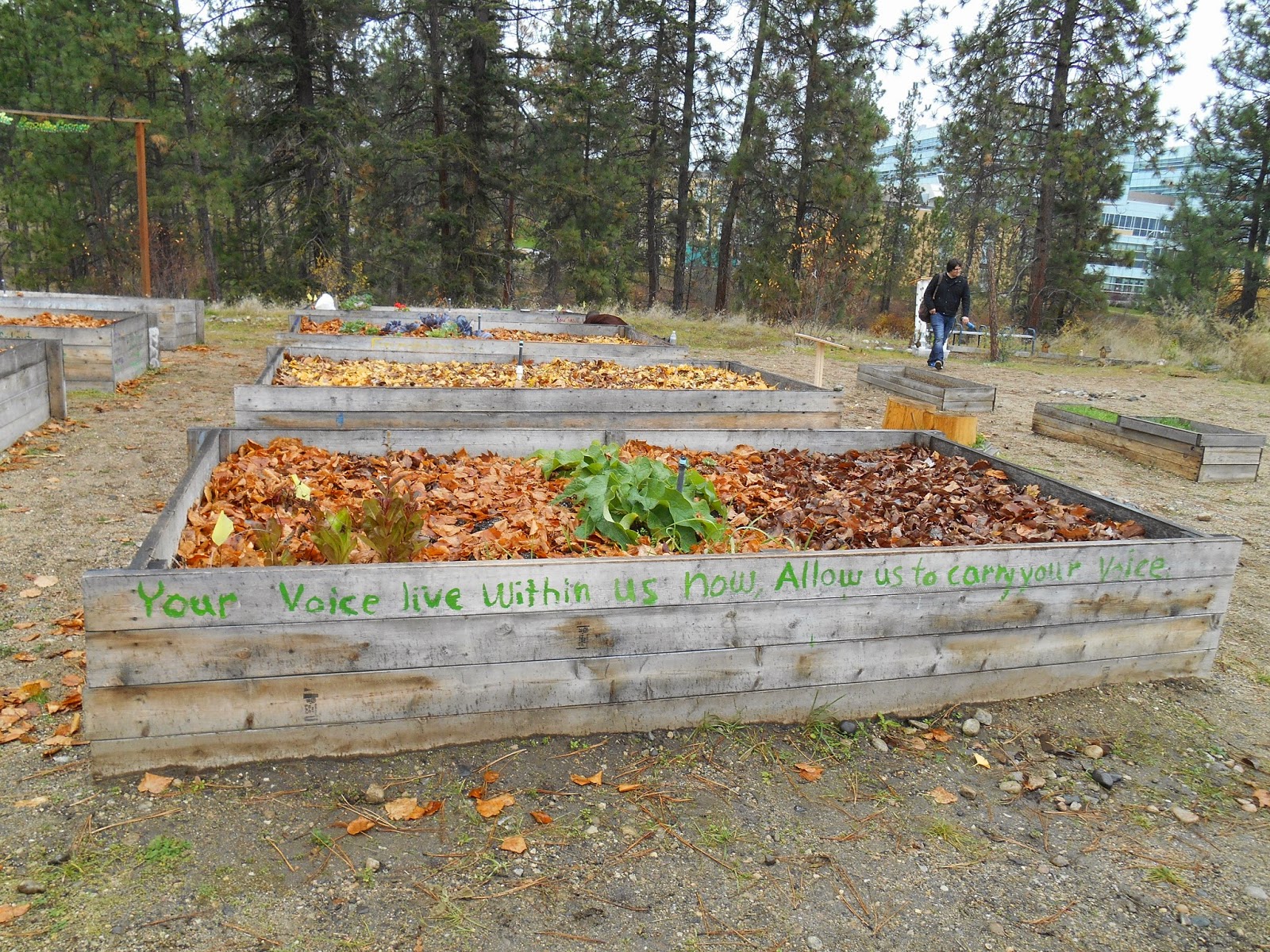
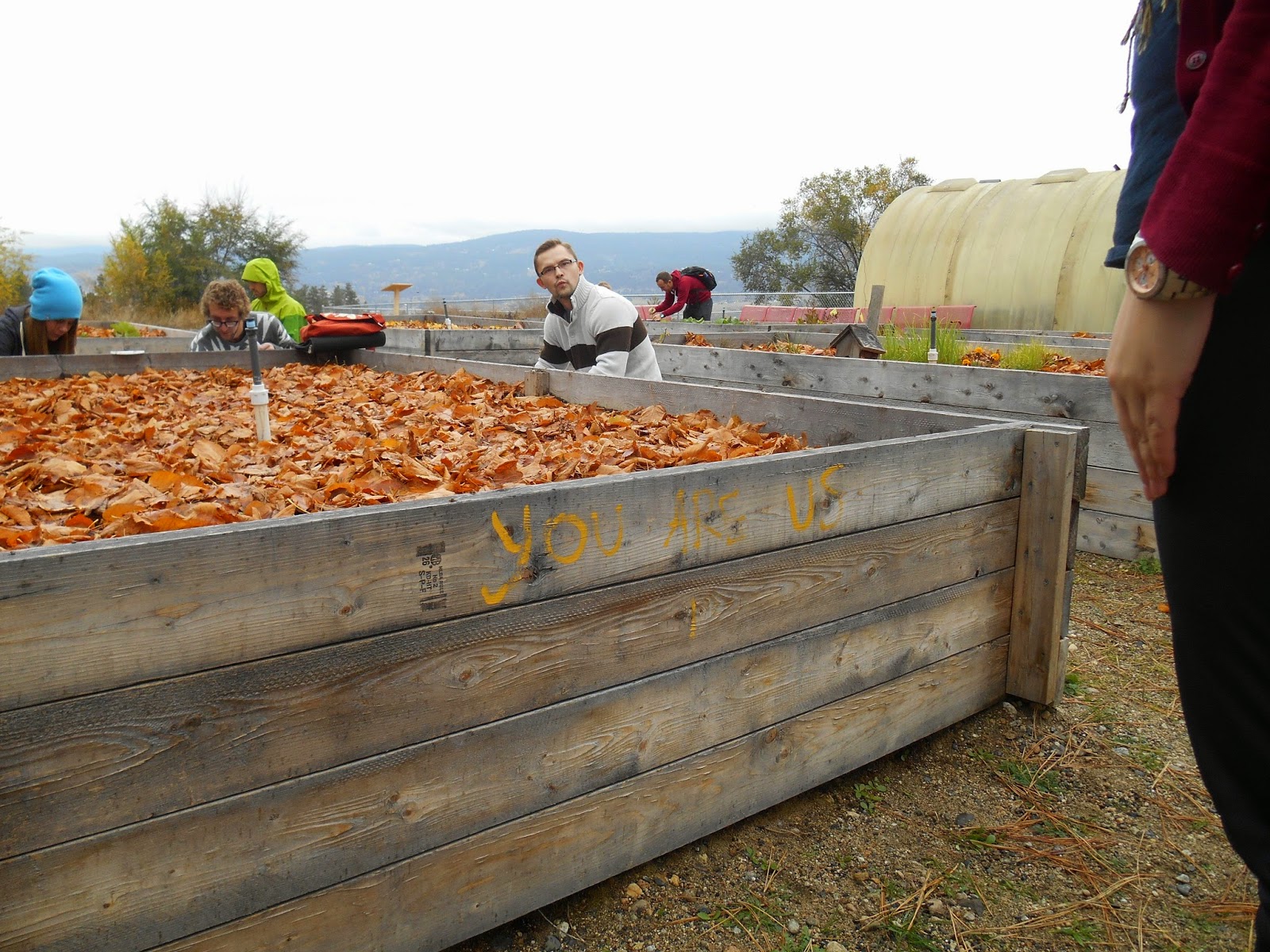
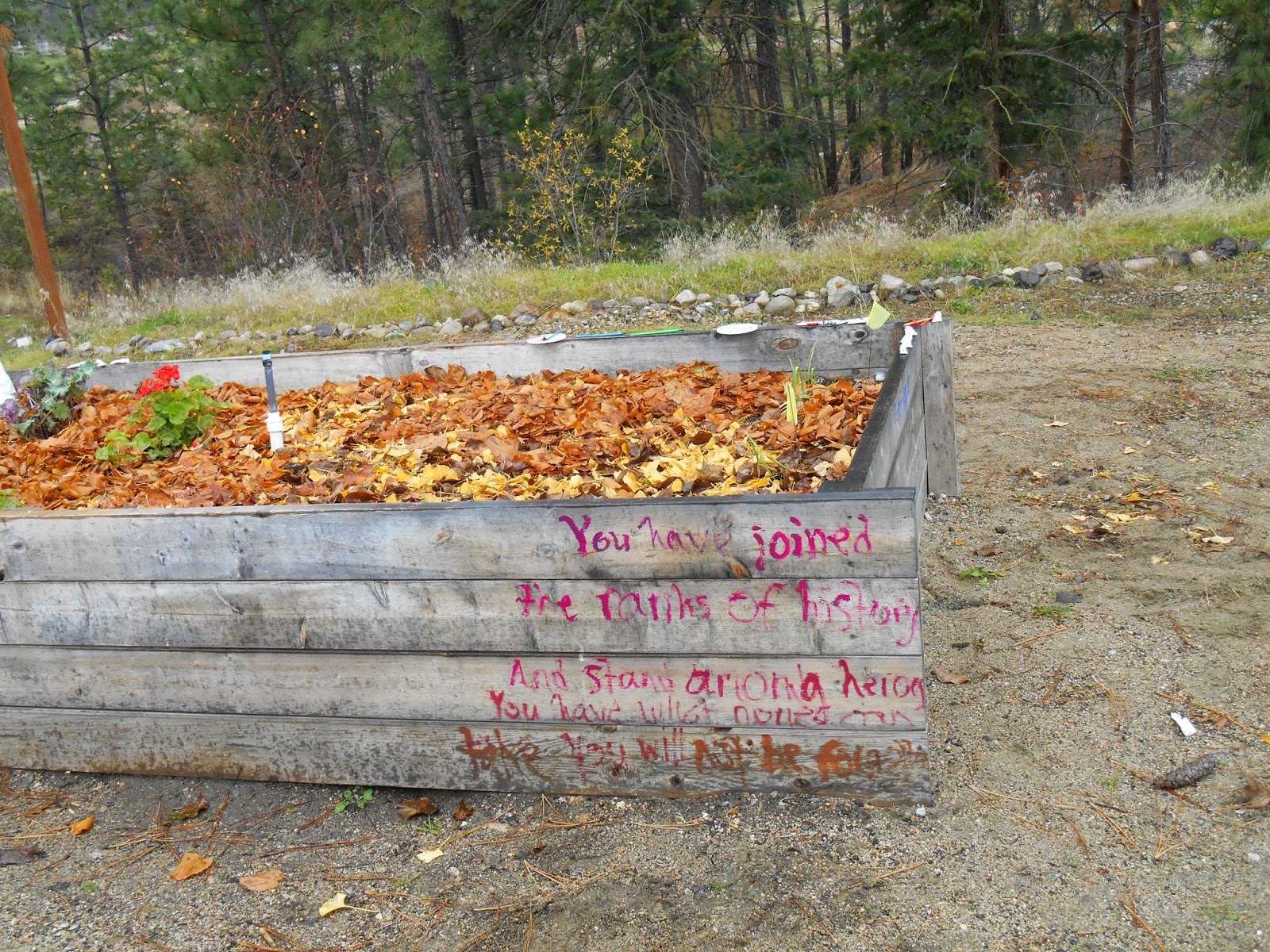
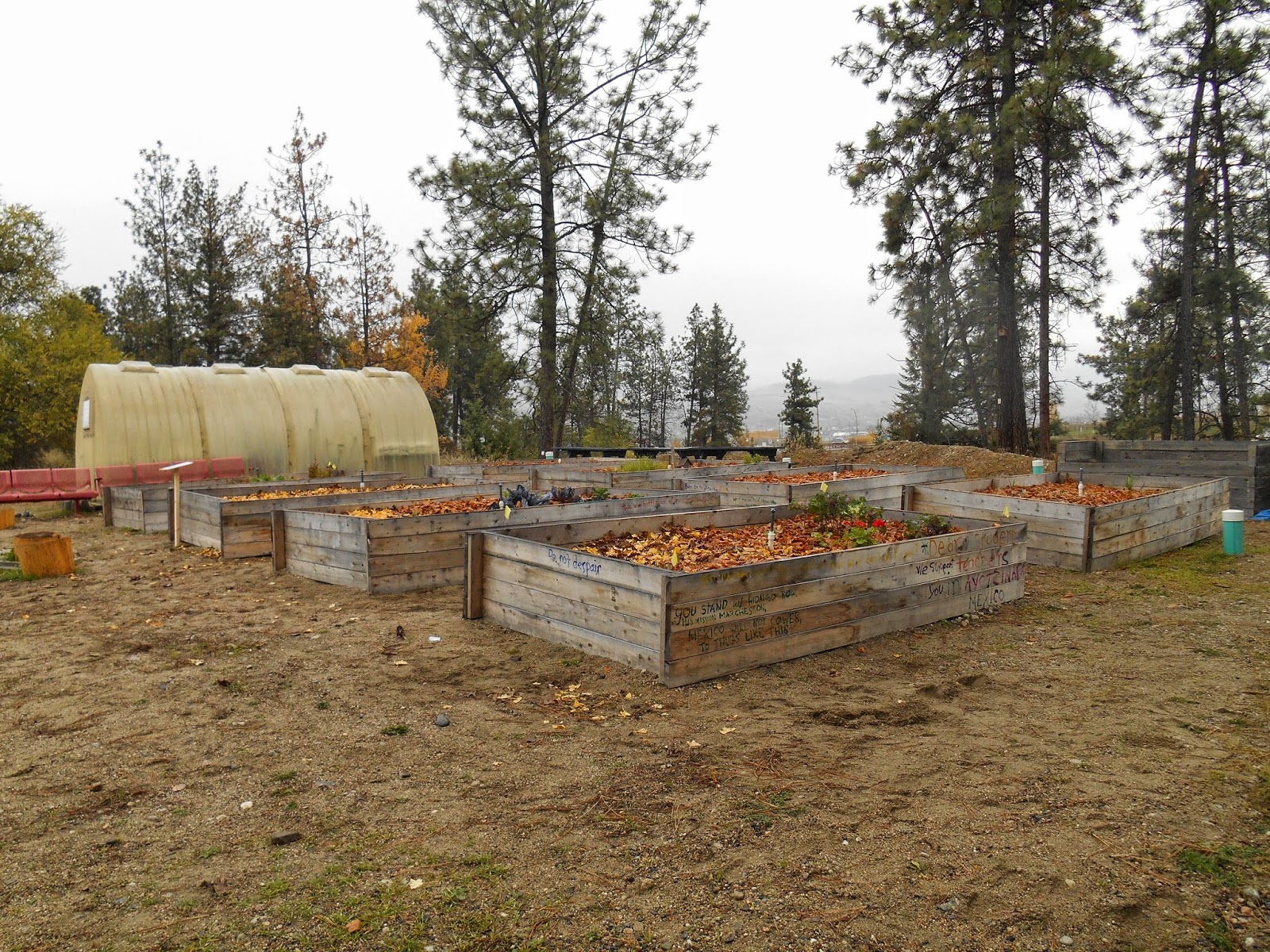
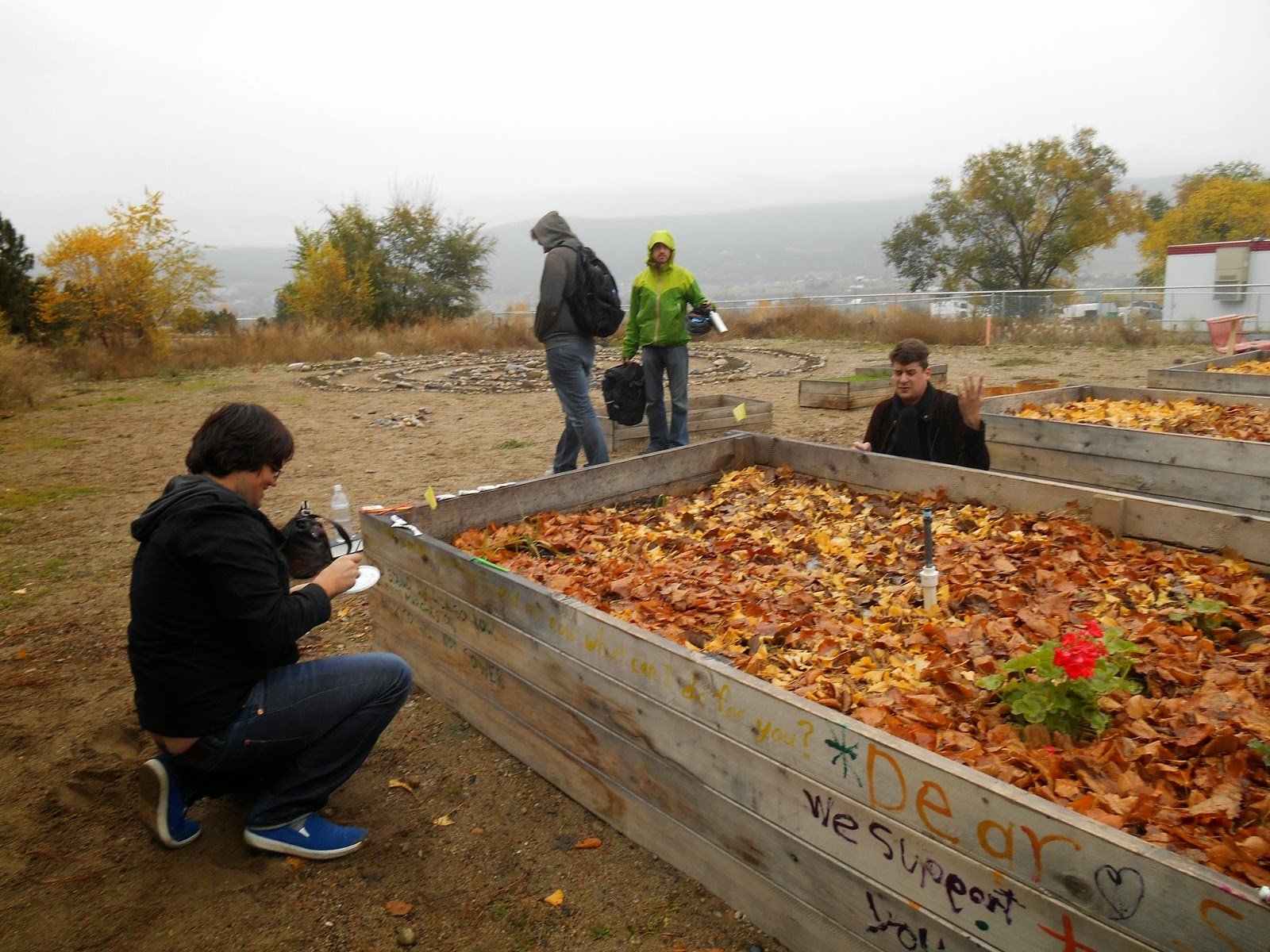
Today, twelve years after a small group of us walked bravely out onto that
unused "back of the campus" piece of land, to create a drought
tolerant garden, I still think it was the garden that influenced us more – than
we could even design or model – it.
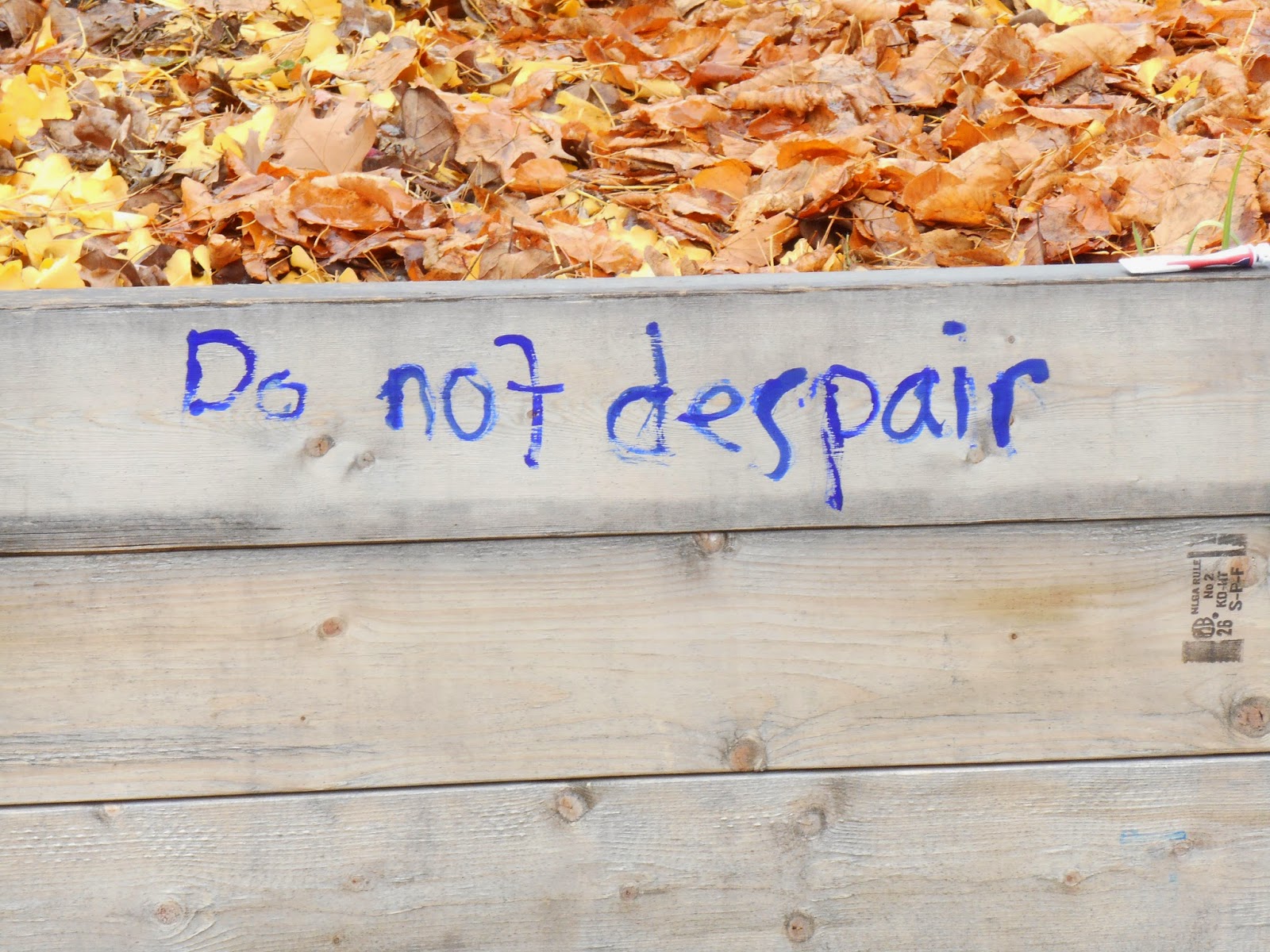
I still believe, more than ever, that we can all, in our different ways,
help make the world a better place.
Working with people in all parts of the world now devastated by climatechange, has only reinforced my belief in the power of our work. No matter what
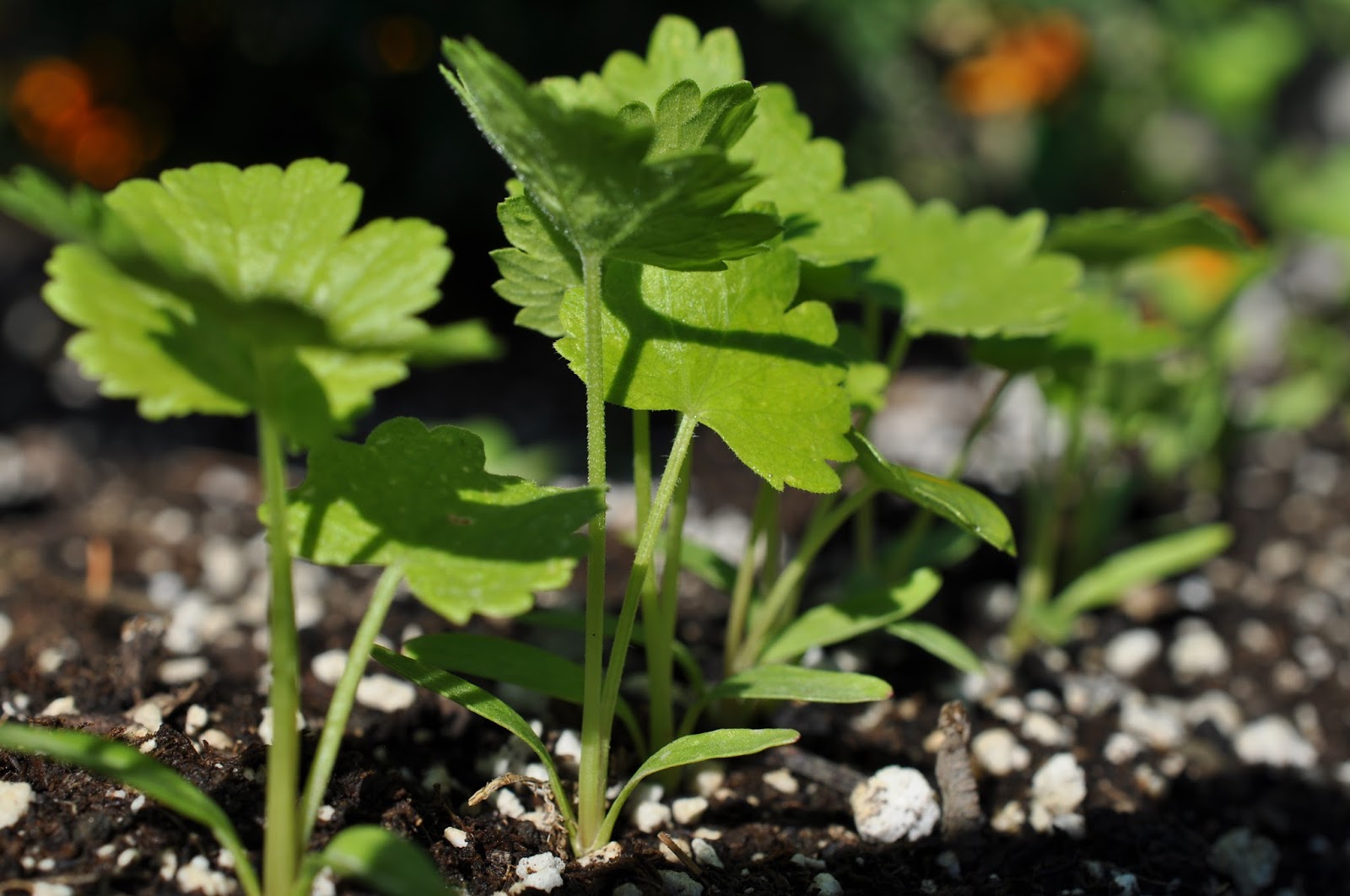
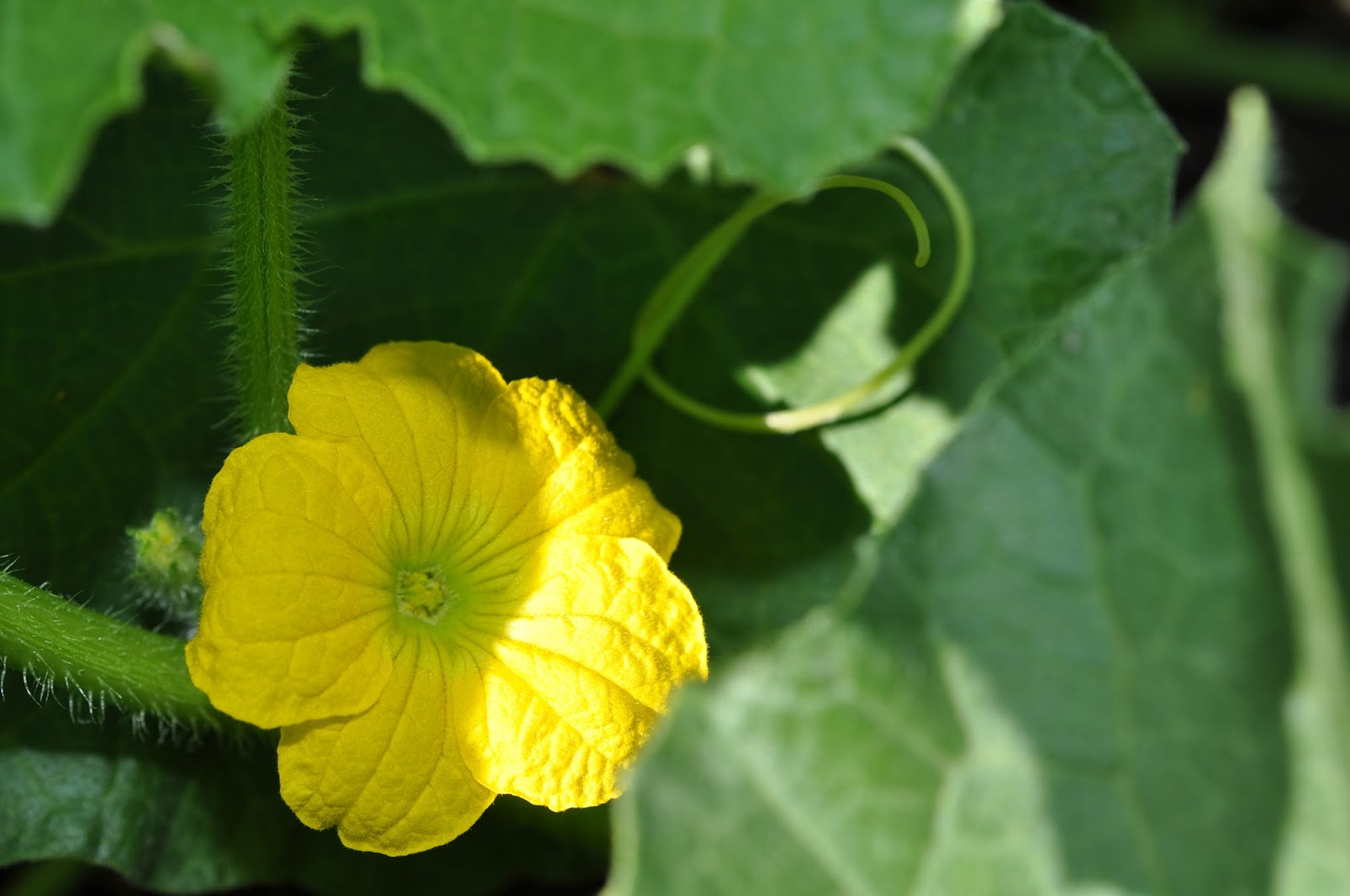
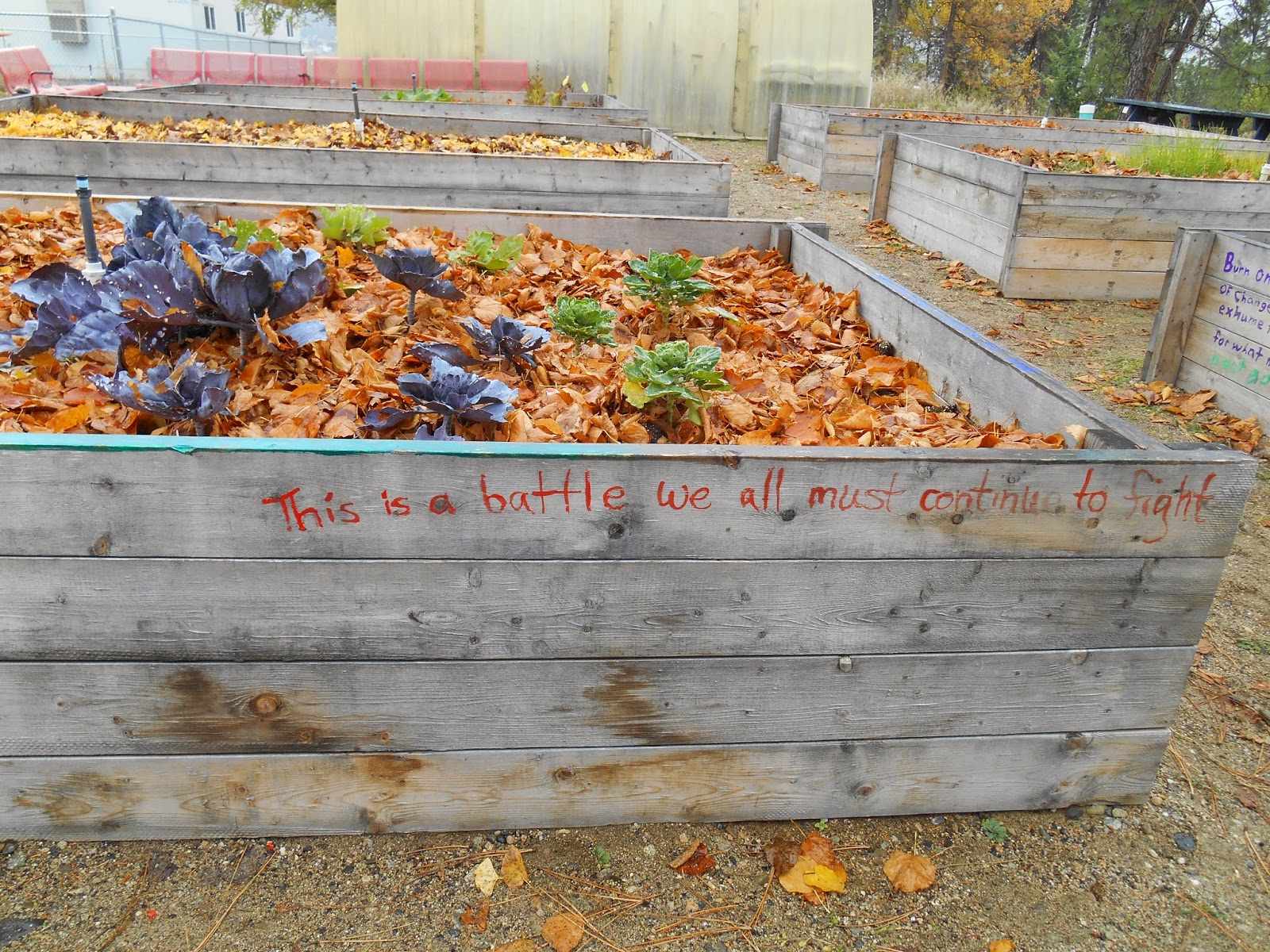
happens, the sun rises. And no matter what happens, we can still plant something - purple carrots, chilies,
maize, kale. We can still write poems. We can still live poetically.
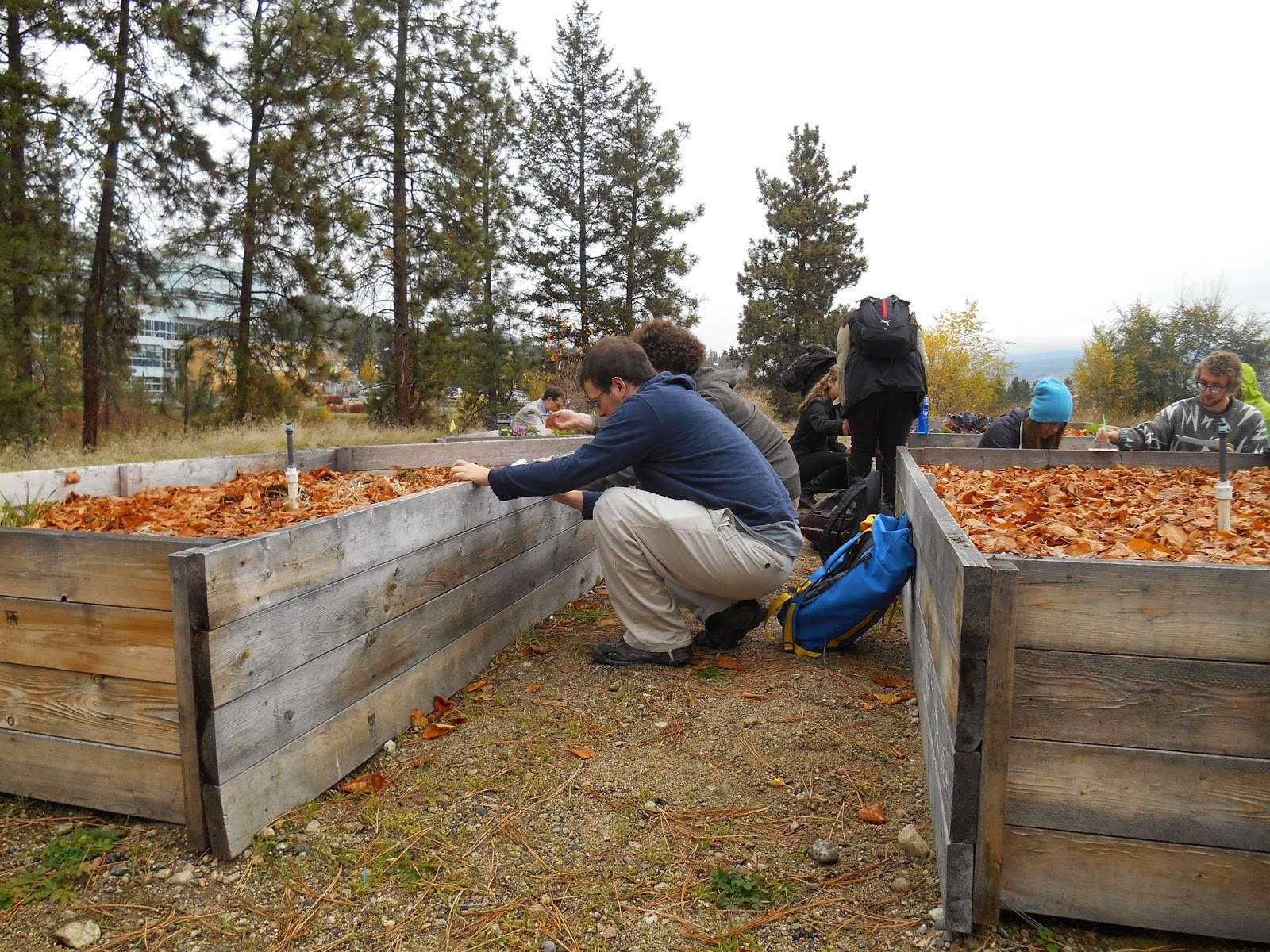
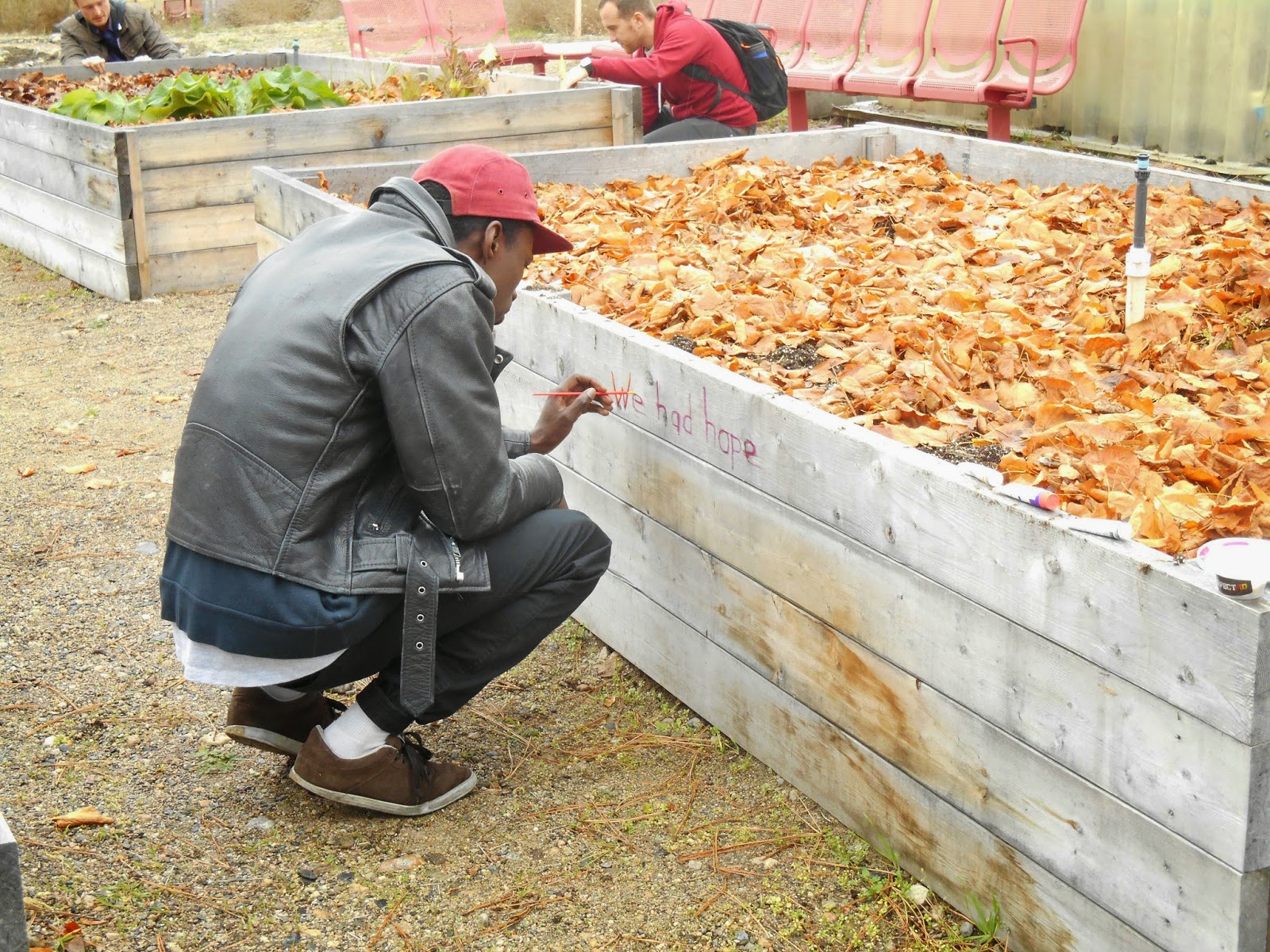
Thank-you so very much to all of the students who worked on the Learning
Garden, since 2005. You are way too many to
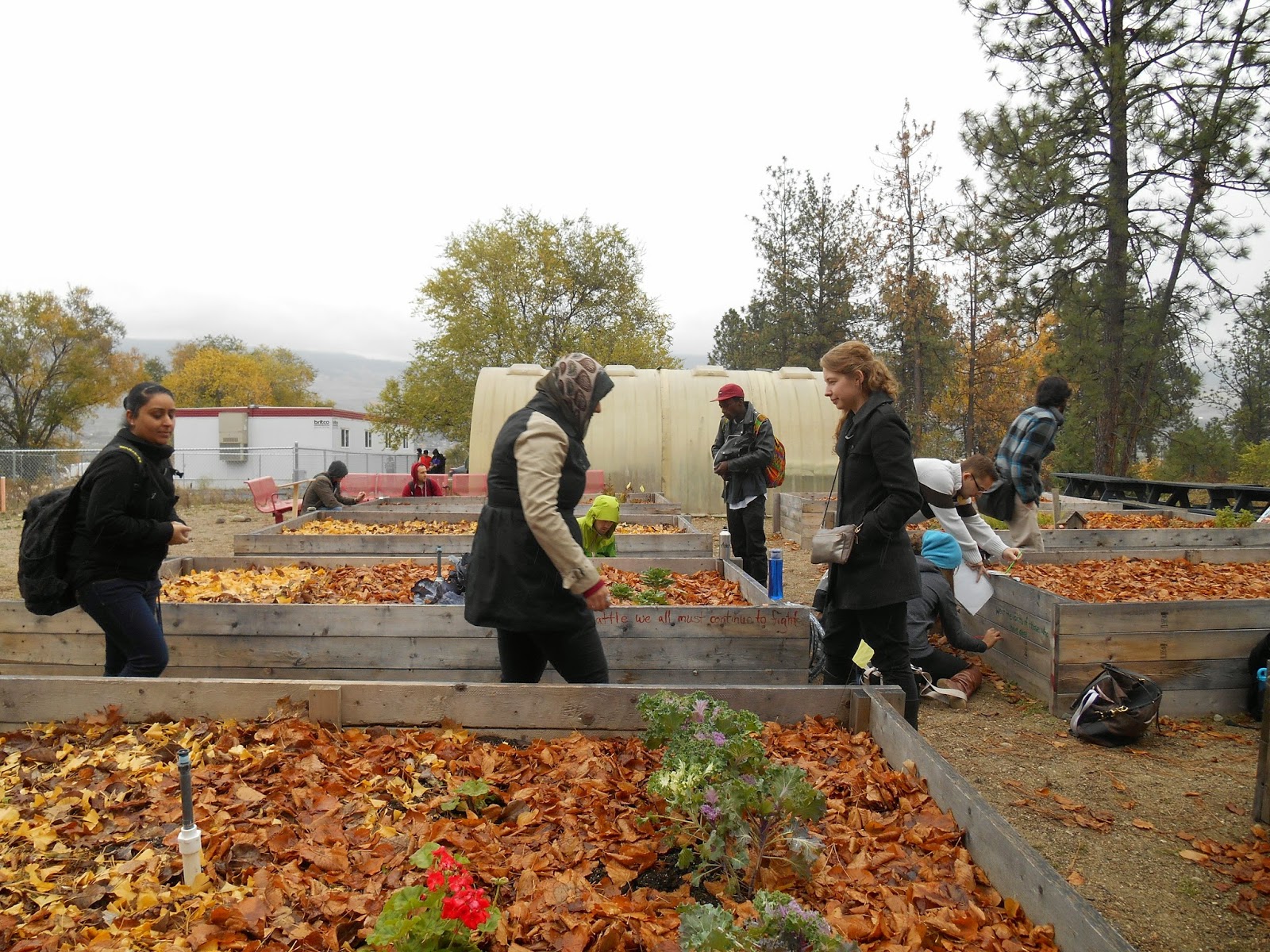
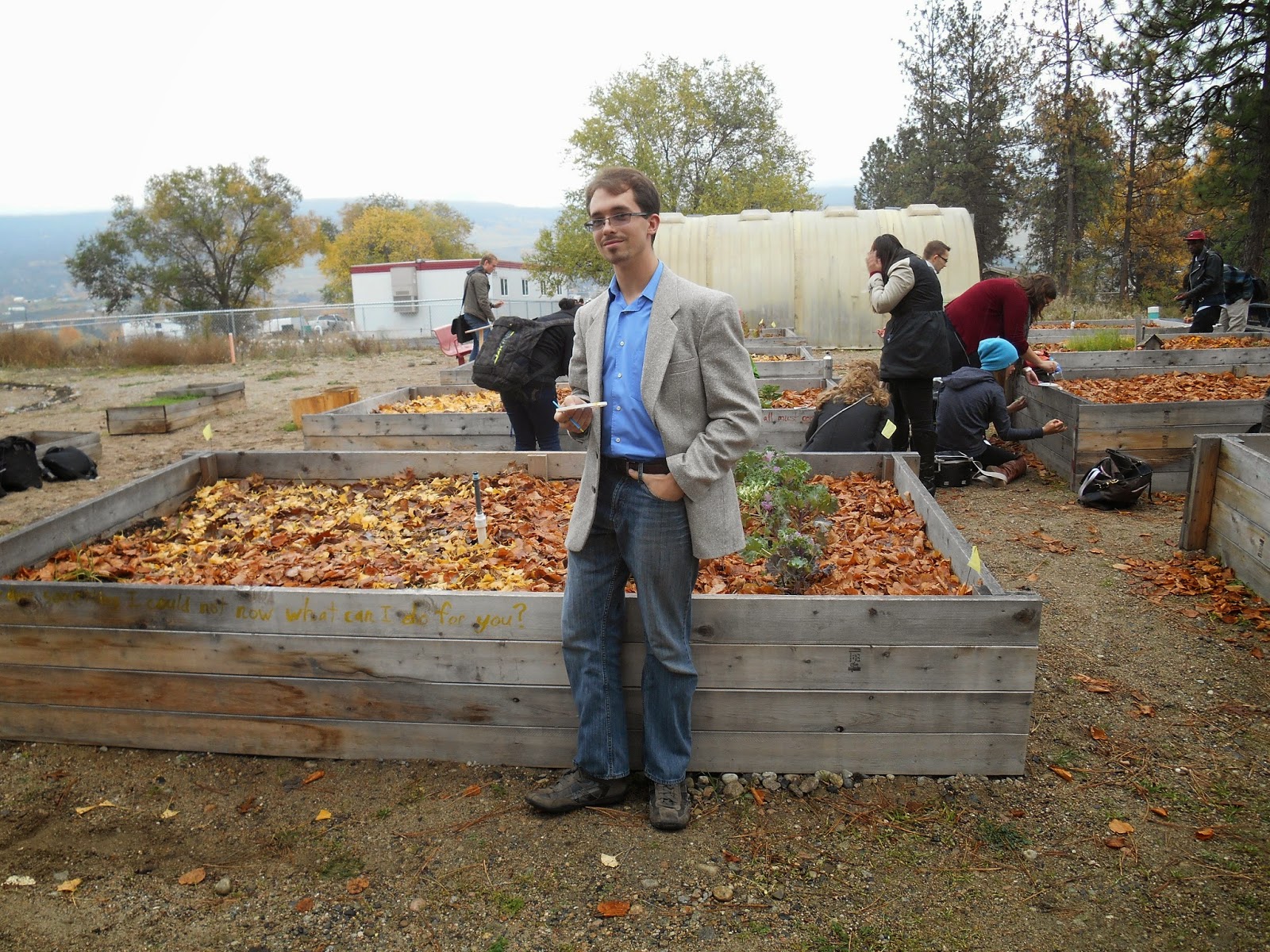
mention by name...you know who you are! Class after class visited the garden
each Fall, and each Spring/Summer brought the work (and the songs!)
that helped those future visits bear fruit.
Thank you, also, to the amazing UBC Okanagan Facilities crew who were
always so helpful and encouraging, from the very first day. Thank you to the
local small businesses who took the leap of faith to support the garden.
We all have our own memories of the Learning Garden, and it is a project
that literally continues in the work and ideas of all who visited and found
inspiration.
Thank you to the Syilx/Okanagan
First Nation people on whose land the Learning Garden, and traditional Firepit,
were placed. Thank you for welcoming my students and I.
Thanks to the red-winged blackbirds.
Adieu,
Adieu,
Veronica
veronica[at]thepeacegarden[dot]ca
veronica[at]thepeacegarden[dot]ca

posted by Veronica @ 4:00 pm
0 comments